Orthognathic Surgery Explained: Aligning Jaws for Health, Function, and Aesthetics
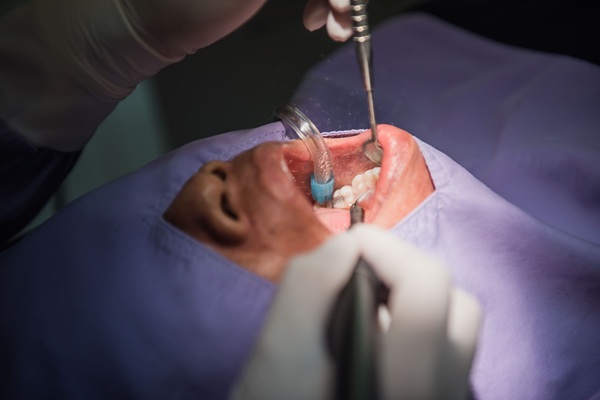
Orthognathic surgery, or corrective jaw surgery, is a specialized procedure that fixes problems with the jaw bones. It realigns the jaws and teeth to help improve how they work and look. This complex but effective surgery is important for solving issues that braces and other orthodontic treatments cannot fix.
Understanding orthognathic surgery
The primary goal of orthognathic surgery is to restore proper alignment between the patient's upper and lower jaws. When the jaws are misaligned, individuals may experience difficulties chewing, speaking, and breathing. In some cases, the misalignment can also lead to chronic jaw pain, excessive wear of their teeth, and obstructive sleep apnea. By repositioning the jaw bones, this surgical procedure can improve their appearance.
Orthognathic surgery is most commonly recommended when the individual has a severe jaw misalignment, such as an underbite, overbite, open bite, or facial asymmetry. While orthodontic treatment can realign teeth with mild to moderate malocclusions, it cannot move the patient's jaw bones as needed. As a result, surgery becomes necessary when the underlying issue lies in the bone structure.
The benefits of orthognathic surgery
Orthognathic surgery offers substantial benefits beyond improved jaw alignment. In terms of oral function, it can resolve chronic issues related to speech, chewing, breathing, and temporomandibular joint (TMJ) disorders. A properly aligned bite also reduces the risk of dental damage and promotes better oral hygiene.
For patients looking to improve their appearance, the procedure can dramatically improve their facial symmetry and balance. For many patients, these changes lead to increased self-confidence and psychological well-being. By addressing both form and function, orthognathic surgery provides a comprehensive solution that transforms appearances and overall quality of life.
The evaluation and planning process
Before orthognathic surgery is performed, patients undergo a detailed evaluation. This team typically includes a general dentist and an oral and maxillofacial surgeon. They often collaborate to develop a comprehensive treatment plan tailored to the patient's needs.
Initial assessments include a combination of physical examinations, facial measurements, X-rays, and digital imaging. These diagnostic tools allow the Paramount Dental Care & Specialty team to visualize the skeletal structure and simulate the most likely surgical outcomes. Most patients will need to undergo months of orthodontic treatment before the procedure. This part of the treatment process allows time for the teeth to align properly and prepare the mouth for optimal surgical results.
What to expect during the procedure
Orthognathic surgery is typically performed under general anesthesia in a hospital setting. Depending on the specific condition being treated, the procedure may involve repositioning the upper jaw (maxilla), lower jaw (mandible), or both. In some cases, the chin may also be adjusted to achieve better facial symmetry.
During the procedure, the surgeon will make incisions inside the mouth to access the jaw bones, which minimizes visible scarring. They can then carefully cut bones, reposition, and secure them using surgical plates, screws, or wires. Securing the bone this way helps hold the new position of the jaws during the healing process.
The team will closely monitor the patients after surgery to ensure they heal properly. The initial hospital stay may last one to three days, depending on the complexity of the procedure and the individual's natural healing response.
Recovery and aftercare
Initial recovery from corrective jaw surgery can take about six weeks. However, it is important to note that full recovery and stabilization of the jaw structure can take several months or even a year. Each patient's recovery journey is different. But most can return to light activity like brief walks or light stretches after the first week or two.
The following tips can help patients during the initial recovery from orthognathic surgery:
- Use the splint as directed by the dental provider
- Elevate the head to reduce swelling
- Ice the jaw for the initial 24 hours (20 minutes on, 10 minutes off, and repeat)
- Stick to a soft or liquid diet
- Take medication and antibiotics as described
Patients should continue attending follow-up appointments with their dental provider to monitor their progress and address any complications.
Possible risks and complications
As with any surgical procedure, there are possible risks and complications associated with orthognathic surgery. These include:
- Excessive bleeding
- Infection
- Adverse reaction to anesthesia
- Dental damage
- Difficulty opening mouth
- Jaw pain
- Lingering numbness around the mouth after surgery
- Scarring
Most of these symptoms will resolve on their own. However, patients should call their provider immediately if they get a high fever, worsening pain, or shortness of breath. They should also seek medical attention if they show signs of infection, persistent vomiting, or diarrhea.
Learn more about the services we offer in the Long Beach area
Orthognathic surgery is an effective option for individuals with complex jaw misalignments that cannot be corrected using less invasive methods. Do you have questions about the orthognathic surgery process? Call us at our Long Beach office to learn more about our services or to schedule a consultation.
Request an appointment here: https://paramountdentalspecialty.com or call Paramount Dental Care & Specialty at (562) 450-1261 for an appointment in our {{ ITY}} office.
Check out what others are saying about our services on Yelp: Read our Yelp reviews.
Related Posts
Taking care of your family's dental health is important to help maintain your and your children's overall health and well-being. Regular visits to a family dentist can help identify and treat dental problems before they become more serious and require more intensive care. However, finding the right family dentist can be daunting, especially if you…
When a patient has a tooth that is giving them problems, general dentistry may recommend a dental crown as a potential solution. While crowns can have a reputation for being highly noticeable in the mouth, modern crowns are made from many different materials that allow them to blend in. Here is how crowns can be…
A family dentist is a dental professional who specializes in caring for the teeth and gums of people of all ages. With this being the case, we offer a wide range of services. Here is an outline of the most common treatments we provide.Routine professional cleanings are integral to maintaining optimal oral health. Our family…
A healthy smile is not only about clean, straight teeth but also about strong and well-maintained gums. Periodontics focuses on preventing, diagnosing, and treating gum-related conditions that can compromise oral health. Many prioritize their teeth while neglecting the importance of gum care, which can lead to severe complications if left unaddressed. By incorporating periodontal care…