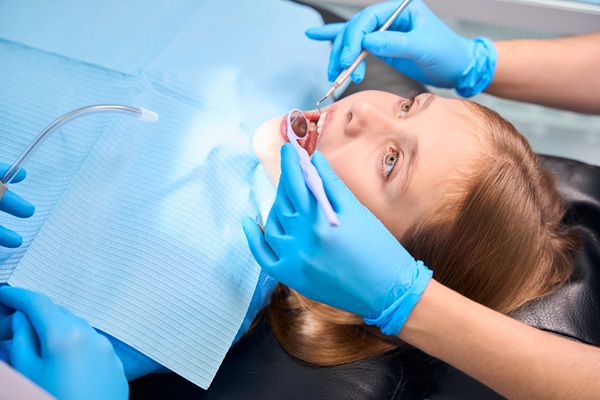
Orthognathic surgery is a specialized dental procedure that corrects jaw irregularities to improve oral function and general appearance. Dental professionals perform this surgical intervention to treat moderate to severe conditions without minimally invasive TMJ or orthodontic treatment alone. If you have been living with a misaligned jaw, bite issues, or facial asymmetry, you may benefit from orthognathic surgery, allowing you to improve your overall quality of life.
When orthognathic surgery is necessary
Orthognathic or corrective jaw surgery is recommended when jaw discrepancies cause functional and cosmetic concerns. Some of these concerns include:
Severe malocclusions
Individuals with severe malocclusion may face significant challenges that impact their daily lives, including difficulties with chewing, speaking, and even breathing. Examples of malocclusions include overbites, underbites, open bites, and crossbites. In many cases, these complex dental issues may require surgical treatment to restore proper alignment and function, providing affected individuals with a better quality of life.
Facial asymmetry
Facial asymmetry, which can result from an imbalance in upper and lower jaw development, may lead to noticeable differences in the patient's facial features. This imbalance can affect their facial appearance and function. Orthognathic surgery can help restore symmetry and improve the overall structure of the face. Addressing these structural issues can improve the patient's appearance while alleviating related concerns, such as issues with bite alignment or jaw pain.
Sleep apnea
In cases of obstructive sleep apnea (OSA), when conservative treatments like continuous positive airway pressure (CPAP) therapy are ineffective or poorly tolerated, orthognathic surgery may be considered a viable alternative. This procedure can help alleviate airway obstruction while the patient is asleep. As a result, they experience fewer sleep apnea symptoms, improve oxygenation during sleep, and improve their overall quality of life.
Chronic jaw pain and temporomandibular joint (TMJ) disorders
Patients with chronic jaw pain and temporomandibular joint (TMJ) disorders, often caused by jaw misalignment, can benefit from surgical intervention. Symptoms include persistent pain, difficulty opening or closing the mouth, headaches, and ear discomfort. Surgical options like arthroscopy or open joint surgery aim to correct anatomical issues and reduce inflammation, improving the patient's oral function and overall quality of life. These procedures are usually considered after conservative treatments, such as physical therapy and medications, have failed.
The treatment process
The process of undergoing orthognathic surgery involves several stages. Here is what patients should expect from the initial preparation to recovery.
Pre-surgery preparation
Before surgery, a comprehensive evaluation is conducted by a qualified dental professional. Many patients will need to undergo orthodontic treatment, such as braces, to align their teeth and prepare for jaw correction. Diagnostic imaging, including X-rays, 3D scans, and digital models, assesses jaw structure and creates a surgical plan. A detailed consultation ensures the dental professional tailors the procedure to address each patient's concerns and expectations.
The orthognathic surgery procedure
The specific techniques the dental professional uses during the procedure will depend on the patient's unique situation. The most common types of orthognathic surgery include:
- Maxillary osteotomy: This technique repositions the patient's upper jaw to correct overbite, open bite, or facial asymmetry.
- Mandibular osteotomy: This technique adjusts the lower jaw to correct underbite, improve alignment, and enhance function.
- Bimaxillary osteotomy: This technique corrects conditions affecting both jaws.
The dental professional will generally make incisions inside the patient's mouth to access the affected area. They will then create small cuts in the jawbone. Once they have access, the dental professional will place the jaw in the desired position, removing or reshaping the bone as needed. Then, they will secure the jaw with surgical screws, wires, or plates and close the incisions. The dental professional will dress the wound and place a splint over the teeth to prevent the infection and improve stability.
Recovery
Following corrective jaw surgery, patients need to be patient and adhere to post-operative care guidelines. A liquid or soft-food diet is necessary while the jaw heals, giving it a break from the work of chewing and biting. Further, every person's recovery differs, but they can typically resume light activity after the first week or two. It is normal to experience side effects such as bruising, mild bleeding, jaw swelling, nasal congestion, sore throat, and tenderness.
Most of these side effects will ease after the first few weeks. However, if the pain does not go away with medication or develops into an infection, patients must seek medical attention as soon as possible. Regular follow-up appointments with the dental professional ensure the jaw is healing properly and guide the patient's transition back to normal oral function. Initial recovery should take about six weeks. However, complete recovery may take several months.
Call our office to schedule an appointment
Orthognathic surgery is a safe and effective way for individuals with severe jaw misalignment to improve their oral function and facial appearance. Do you have questions for the Paramount Dental Care & Specialty team? Call our Long Beach office to learn more or to schedule an appointment.
Request an appointment here: https://paramountdentalspecialty.com or call Paramount Dental Care & Specialty at (562) 450-1261 for an appointment in our Long Beach office.
Check out what others are saying about our services on Yelp: Read our Yelp reviews.
Related Posts
Family dentists are uniquely qualified to offer various dental services to patients of all ages. Children, teens, and adults can visit the dentist for teeth cleanings, checkups, cavity fillings, and other restorative dental procedures. This article will examine the qualifications of family dentists to help you find the right one for your family’s oral health.Becoming…
Tooth loss can affect how you eat and speak, as well as how your smile looks. Restorative solutions, like implant crowns, are important for maintaining your dental and overall health. Implant crowns are strong and resemble natural teeth, blending well with surrounding teeth. They imitate the structure of real teeth, providing long-term benefits for those…
Unlike other body organs, your teeth cannot regenerate when damaged. Therefore, you will need to repair the teeth with synthetic materials to have a full-functioning smile. Here are some tips from a family dentist to help maintain proper oral care to preserve the only set of natural teeth you will ever have.Brushing removes plaque, a…
A family dentist is a type of dental practitioner who provides numerous services to patients of all ages. This type of dentist is specially trained to treat children, adults, and seniors and can help with various dental issues, from routine cleanings to complex restorative procedures. This blog post will discuss the types of services offered…