Emergency Orthodontics: What Is Considered an Emergency?
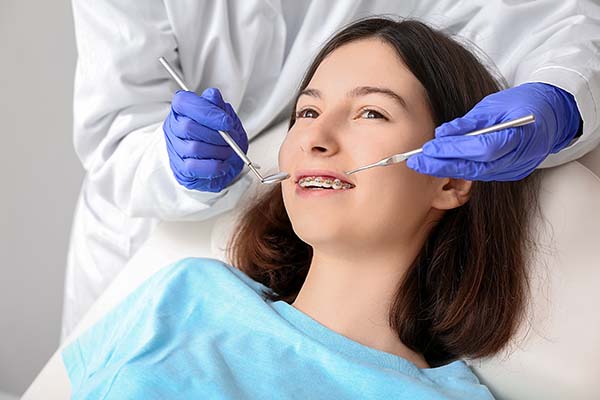
Having a dental emergency can be a very stressful experience, and emergency orthodontics can be even more worrisome. But what exactly constitutes an emergency when it comes to orthodontic care? We will explore what requires an emergency orthodontics visit and the best ways to prevent and treat them. With information, you can be prepared in case of an orthodontic emergency and ensure you get the treatment you need.
A broken wire
If you have braces, one of the most common emergency orthodontics reasons is a broken wire. This can be caused by biting into hard food, getting hit in the mouth, or just normal wear and tear. A broken wire can cause discomfort and pain and even lead to further damage if not treated promptly.
If you experience a broken wire, schedule an appointment with your orthodontist. Meantime, you can use orthodontic wax to cover any sharp ends of the wire and prevent it from irritating your cheeks or gums. Be careful when eating, and avoid hard or sticky foods that can exacerbate the problem.
When you visit your orthodontist, they will examine the wire and determine the best action. In some cases, they may be able to simply trim the wire and adjust your braces to alleviate the discomfort. However, if the wire is too damaged or broken, they may need to replace it entirely.
A loose bracket
If you find that one of your brackets has come loose, this is considered an emergency, and you should contact your orthodontist right away. A loose bracket can cause discomfort and can even damage the surrounding teeth and soft tissues.
In the meantime, here are a few things you can do to help yourself get more comfortable and reduce the risk of further damage. First, try to gently push the bracket back into place using a clean finger or the eraser end of a pencil. If this is not something you can do, you can cover the bracket with dental wax to protect the surrounding tissues from irritation.
Avoid foods that can dislodge the bracket further, such as hard and sticky foods. Rinse your mouth with warm saltwater to soothe any discomfort and keep your mouth clean.
Remember that you cannot ignore or fix a loose bracket on your own. Contact your orthodontist immediately for further advice and treatment. They may schedule an appointment to repair or replace the bracket, or they may provide you with additional instructions for managing the situation until you can come in for an appointment.
A spacer that has fallen out
Spacers are small rubber rings placed between your teeth to create enough space for orthodontic bands or other appliances. They are commonly used in preparation for braces. If one or more of your spacers has fallen out, it may cause discomfort or pain in your teeth.
If you experience this, contact your orthodontist as soon as possible. In some cases, they can recommend a quick fix until you can come in for a proper repair. This could include using orthodontic wax to temporarily fill the space or adjusting your braces to reduce any discomfort. However, if left untreated, it could potentially impact your treatment progress and cause further complications down the road.
Keep in mind that spacers should be avoided when consuming hard or sticky foods, as they could cause the spacer to come loose or become dislodged. Follow your orthodontist’s guidelines for eating during your treatment and report any issues you experience with your spacers or any other orthodontic appliances.
A lost retainer
A lost retainer may not seem like a big deal, but it is actually quite serious. Your retainer keeps your teeth in their newly aligned position, and without it, they could start shifting back to their original positions. So if you lose your retainer, you should contact your orthodontist as soon as possible. They are able to make you a replacement retainer or give you other options to prevent your teeth from moving back.
You should note that losing your retainer is not an emergency like a broken wire or a loose bracket, but it is still urgent. Your orthodontist may ask you to come in for an appointment to check on the alignment of your teeth and ensure they are not shifting. It is always better to be safe than sorry when it comes to orthodontic treatment, so do not hesitate to call your orthodontist if you lose your retainer.
Request an appointment here: https://paramountdentalspecialty.com or call Paramount Dental Care & Specialty at (562) 450-1261 for an appointment in our Long Beach office.
Check out what others are saying about our dental services on Yelp: Emergency Orthodontics in Long Beach, CA.
Related Posts
Wondering how to practice good oral hygiene? Read on for some helpful tips from a family dentist. Good oral hygiene is a cornerstone of overall health and wellness. Regular visits to a family dentist for checkups, cleanings, and instruction in excellent oral hygiene are essential to maintaining healthy teeth and gums.The family dentist is the…
A family dentist is an excellent choice for the entire family. If you are a parent, you know that the health of you, your children, and your partner are a top priority. Often, many parents do not schedule their dental appointments because scheduling conflicts with their children’s. This problem goes away when you find your…
You should consider seeing a family dentist if you have children. This allows your entire household to get their dental needs met at the same time instead of driving all over town to drop each member of your family off at their dentist.A family dentist is a general dentist who spends most of their time…
Choosing a dental bridge can restore a complete smile and make everyday tasks feel easier again. Missing teeth change chewing, speech, and face shape, but a well-planned bridge brings balance back. With the right design and consistent home care, a dental bridge can look natural, feel comfortable, and support long-term oral health.A dental bridge fills…