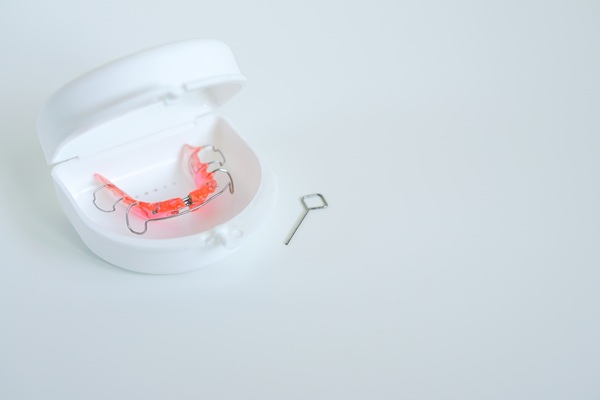
Palatal expanders are orthodontic devices used to widen a child's upper jaw to correct a variety of dental and skeletal issues. These devices can help create a more balanced bite and teeth alignment. Here is everything you should know about palatal expanders.
What are palatal expanders?
Palatal expanders, also known as an orthodontic or palate expander, are custom-fit oral appliances designed to gradually widen the upper arch of a younger patient's mouth. They are most commonly used in children and adolescents, as the bones in their upper jaw have not yet fused, making it easier for them to expand. The device typically fits along the roof of the child's mouth and applies gentle pressure to the palatal bones to encourage them to move apart over time.
Dental professionals may recommend palatal expanders in the following situations:
- Crowded teeth
- Overlapping teeth
- Crooked teeth
- Impacted teeth
- Difficulty chewing
- A misaligned bite (e.g., crossbite, open bite, or underbite)
While often used for children, adults with obstructive sleep apnea can also benefit from palatal expanders, as they open the breathing pathway and improve sleep habits.
The importance of palatal expansion
Palatal expansion offers multiple benefits beyond simply creating space for developing teeth. When the upper jaw is too narrow, it can lead to malocclusion, crowding, and even obstructed breathing during sleep. By widening the palate, palatal expanders help establish proper alignment between the upper and lower jaws. Early treatment with palatal expanders can also reduce the need for more invasive orthodontic or surgical procedures in the future. When a younger patient has narrow arches or a crossbite, this treatment forms as the first step in a comprehensive orthodontic treatment plan.
Types of palatal expanders
There are several types of palatal expanders, each tailored to meet specific patient needs.
Rapid palatal expander (RPE)
This is the most common type of expander that works quickly, usually requiring activation twice per day. The expansion process typically takes two to three weeks, but the appliance remains in place for several months to stabilize the new arch width.
Removable palatal expander
These devices are used for minor expansion or in cases where less pressure is needed. The patient can remove this expander for oral hygiene or during meal time. However, it is less common for children and teenagers due to the need for strict patient compliance.
Hybrid expanders
These appliances combine the features of fixed and removable expanders. They offer flexibility in design and function. The dental professional may also anchor hybrid expanders to dental implants or mini-screws in some cases.
The process of using a palatal expander
The process begins with an examination by an experienced dental professional. They will assess the structure of the patient's jaw and teeth through a visual inspection, X-rays, or digital scans. If they determine that the patient may benefit from palatal expanders, the dental professional will take impressions of their oral structure to manufacture a custom device.
Once placed, the expander activates with a special key, turned at regular intervals as instructed by the provider. This gradual force gently separates the mid-palatal suture. For young patients, this movement encourages new bone growth in the gap created.
Potential side effects
As with any orthodontic appliance, there are side effects associated with palatal expanders. These may include:
- Mild discomfort or soreness
- Minor eating or speech difficulties
- Irritation of the tongue or the roof of the mouth
- Improper activation leading to an asymmetrical smile
Fortunately, side effects are generally mild, and they will gradually go away as the mouth adjusts to the appliance. Parents can help their child manage them under the guidance of an experienced dental professional. Regular checkups and good oral hygiene habits can reduce the risk of complications and support a comfortable treatment experience.
How long does treatment last?
The active expansion phase generally lasts two to four weeks, depending on the amount of expansion needed. After this phase, the expander will remain in place for several additional months to allow new bone tissue to stabilize and solidify in the expanded position. Follow-up visits with a dental professional can help ensure the expansion is progressing as planned and that the device remains clean and functional.
Post-treatment expectations
After the expansion is complete and we remove the appliance, the patient will often continue orthodontic treatment with braces or aligners to fine-tune their dental alignment. They will likely also need to wear a retainer to maintain the space in their jaw.
Palatal expanders can significantly improve a young person's oral function and appearance. They may also notice they can breathe and communicate better with a better-aligned jaw.
Call our office for more information
Palatal expanders are a non-invasive solution for correcting jaw and dental imbalances during early developmental years. By gently widening the upper jaw, these appliances create space, improve alignment, and contribute to a child's overall health. They can also help you sleep better if you struggle with sleep apnea. Would you like to learn more? Call our Long Beach office for more information or to schedule a consultation.
Request an appointment here: https://paramountdentalspecialty.com or call Paramount Dental Care & Specialty at (562) 450-1261 for an appointment in our Long Beach office.
Check out what others are saying about our services on Yelp: Read our Yelp reviews.
Related Posts
Taking care of your family's dental health is important to help maintain your and your children's overall health and well-being. Regular visits to a family dentist can help identify and treat dental problems before they become more serious and require more intensive care. However, finding the right family dentist can be daunting, especially if you…
When a patient has a tooth that is giving them problems, general dentistry may recommend a dental crown as a potential solution. While crowns can have a reputation for being highly noticeable in the mouth, modern crowns are made from many different materials that allow them to blend in. Here is how crowns can be…
A family dentist is a dental professional who specializes in caring for the teeth and gums of people of all ages. With this being the case, we offer a wide range of services. Here is an outline of the most common treatments we provide.Routine professional cleanings are integral to maintaining optimal oral health. Our family…
A healthy smile is not only about clean, straight teeth but also about strong and well-maintained gums. Periodontics focuses on preventing, diagnosing, and treating gum-related conditions that can compromise oral health. Many prioritize their teeth while neglecting the importance of gum care, which can lead to severe complications if left unaddressed. By incorporating periodontal care…