Exploring Phase Two Orthodontics
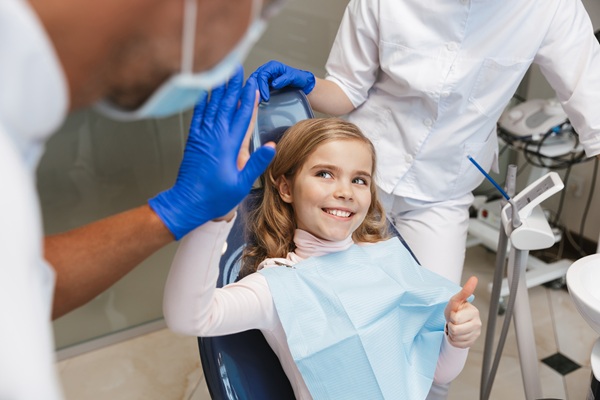
Phase two orthodontics supports proper alignment and bite function. While phase one orthodontics focuses on foundational issues, phase two orthodontics completes the alignment process. This is typically done with braces, retainers, and similar teeth-straightening treatments. Understanding Phase two orthodontics helps clarify the purpose of this comprehensive care, as well as how it supports a child’s oral health and facial development.
Orthodontics in two phases
Orthodontic treatment is often divided into two phases to effectively guide jaw growth and tooth development. Phase one begins in childhood — usually between the ages of six and 10 — when a mix of baby (primary) and adult (permanent) teeth are present. The main objective of this phase is not to perfect the smile, but rather to create a healthier environment for the permanent teeth to erupt. Orthodontists, general dentists, and cosmetic dentists recommend addressing severe crowding, bite problems, or jaw misalignment, among other functional issues, as early as possible to prevent more complex challenges in the future.
Phase two orthodontics begins after the eruption of most or all permanent teeth, generally between the ages of 11 and 14. At this point, the goal shifts from guidance to correction. This stage completes the process of moving the teeth into their optimal positions. While phase one creates the foundation, phase two orthodontics brings lasting alignment and stability to the bite and smile.
What to know about phase two orthodontics
Phase two orthodontics is often more visible and longer in duration than phase one, as it involves fine-tuning the position of each tooth. A general or cosmetic dentist often works in coordination with an orthodontist during this phase to ensure the patient receives the necessary care before, during, and after treatment. Here are three things every parent should know ahead of phase two orthodontics:
Aligns teeth for function as well as appearance
As mentioned, phase one is mainly concerned with creating space for erupting permanent teeth and correcting skeletal growth problems. Phase two orthodontics emphasizes full alignment. This stage is where aesthetic improvements often become more noticeable. For example, teeth are moved with precision to achieve proper spacing and reduce crowding.
However, the benefits extend beyond appearance. Proper alignment helps prevent abnormal tooth wear, reduces the risk of temporomandibular joint (TMJ) issues, and improves oral hygiene by making teeth easier to clean. Functional improvements, including enhanced speech and more efficient chewing, are also important goals of phase two orthodontics.
Phase two usually involves braces
Most patients undergoing phase two orthodontics will wear traditional metal braces. With brackets and wires, braces apply consistent pressure to move teeth into their correct positions over time. However, clear aligners may be used as an alternative to braces, depending on the complexity of the case.
On average, phase two orthodontics takes about 12 to 24 months. The dental provider will adjust appliances regularly during this period to ensure optimal progress. Rubber bands, spacers, or other accessories can help address specific bite problems or alignment issues. At the end of treatment, patients can maintain their results with the use of retainers.
The resting period is key
Between phase one and phase two orthodontics, a resting period allows permanent teeth to emerge naturally. This period allows time for skeletal development and for the results of phase one to stabilize. Although no active treatment takes place during this time, the general dentist, cosmetic dentist, or orthodontist will schedule periodic checkups to evaluate growth and tooth eruption.
If the first phase successfully addresses major developmental concerns, the second phase may often be shorter and more straightforward. The resting phase also allows the provider to determine the exact timing and strategy needed for phase two. This can streamline the overall treatment timeline.
When is it time to start phase two orthodontics?
Phase two orthodontics can begin once most permanent teeth, particularly the second molars, have come in. There are several additional signs that can help determine whether it is time to move on to phase two. These include:
- Visible crowding
- Gaps in the smile
- Bite issues
- Jaw shifting
- A general unevenness in the smile
The resting period between phases provides a valuable opportunity for thoughtful collaboration between the dental provider, the patient, and their parents or guardians. It also confirms that treatment begins at the right time for the best possible results.
Want more information on phase two orthodontics?
Phase two orthodontics is an effective step toward long-lasting oral health and a properly aligned smile. With professional guidance, this stage ensures that previous dental work is reinforced and that teeth function in harmony well into adulthood. For more information, contact Paramount Dental Care & Specialty today.
Request an appointment here: https://paramountdentalspecialty.com or call Paramount Dental Care & Specialty at (562) 450-1261 for an appointment in our Long Beach office.
Check out what others are saying about our services on Yelp: Read our Yelp reviews.
Related Posts
Taking care of your family's dental health is important to help maintain your and your children's overall health and well-being. Regular visits to a family dentist can help identify and treat dental problems before they become more serious and require more intensive care. However, finding the right family dentist can be daunting, especially if you…
When a patient has a tooth that is giving them problems, general dentistry may recommend a dental crown as a potential solution. While crowns can have a reputation for being highly noticeable in the mouth, modern crowns are made from many different materials that allow them to blend in. Here is how crowns can be…
A family dentist is a dental professional who specializes in caring for the teeth and gums of people of all ages. With this being the case, we offer a wide range of services. Here is an outline of the most common treatments we provide.Routine professional cleanings are integral to maintaining optimal oral health. Our family…
A healthy smile is not only about clean, straight teeth but also about strong and well-maintained gums. Periodontics focuses on preventing, diagnosing, and treating gum-related conditions that can compromise oral health. Many prioritize their teeth while neglecting the importance of gum care, which can lead to severe complications if left unaddressed. By incorporating periodontal care…