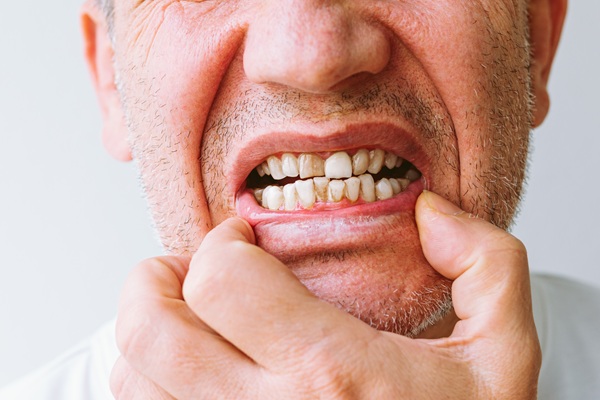
Malocclusion treatment is vital in improving oral health and jaw alignment. Malocclusion refers to misalignment of the teeth and jaw, which can result in difficulty biting, chewing, and speaking properly. It can be caused by genetics, early tooth loss, or injury. Addressing malocclusion through appropriate treatment improves aesthetics and promotes better overall health and function.
What is malocclusion?
Malocclusion refers to an imperfect bite, often caused by misaligned teeth and jaws. There are several types of malocclusion, such as overbite, underbite, crossbite, and open bite. This condition can lead to discomfort, tooth wear, jaw pain, and difficulty eating or speaking. The severity of malocclusion varies, but early intervention can prevent further complications.
The main types of malocclusion include Class I, in which the upper and lower teeth are aligned, but issues like crowding or spacing may occur; class II, often called an overbite, in which the upper teeth protrude over the lower teeth; and class III, known as an underbite, in which the lower teeth extend beyond the upper teeth.
Benefits of malocclusion treatment
Treating malocclusion improves both oral health and function. Here are several key benefits of undergoing treatment for malocclusion:
Improved Jaw Alignment and Function
The most immediate benefit of malocclusion treatment is improved jaw alignment. When teeth and jaws are properly aligned, the pressure from biting and chewing is distributed evenly, reducing pain and discomfort. Correct alignment promotes smoother function in daily activities like speaking, chewing, and swallowing. This helps alleviate discomfort from conditions such as temporomandibular joint (TMJ) disorder and reduces the risk of jaw clenching.
Reduced Risk of Tooth Wear and Damage
Misaligned teeth lead to uneven pressure, which can cause excessive wear on certain teeth. Over time, this can result in chipped, cracked, or fractured teeth. Malocclusion treatment, such as braces or clear aligners, distributes the force more evenly across all teeth, minimizing the risk of damage. Proper alignment can also prevent tooth grinding (bruxism), which exacerbates tooth wear.
Prevention of Gum Disease and Cavities
Misaligned teeth create hard-to-reach areas where food particles and plaque can accumulate, increasing the risk of developing cavities and gum disease. Properly aligned teeth are easier to clean, reducing the likelihood of plaque buildup. Malocclusion treatment can help patients maintain better oral hygiene, decreasing the risk of tooth decay and gum issues.
Enhanced Aesthetics and Confidence
While the primary focus of malocclusion treatment is improving oral health, many patients also experience significant aesthetic benefits. Misaligned teeth can negatively affect a person’s appearance and self-esteem. Treatment options like braces or clear aligners help straighten teeth, improving the overall look of the smile. For many, this boost in appearance leads to increased confidence in social and professional settings.
Common treatment options for malocclusion
Several treatment options are available for malocclusion, depending on the severity and type of misalignment. These treatments can be tailored to meet the individual needs of each patient:
Braces
Traditional metal braces are one of the most effective treatments for malocclusion. They use brackets, wires, and rubber bands to gradually shift teeth into their correct position. Braces are often recommended for individuals with moderate to severe malocclusion and are a possible treatment option for children and adults.
Clear Aligners
Clear aligners, like Invisalign, offer a more discreet alternative to traditional braces. These removable plastic trays are custom-made to fit the patient’s teeth and gradually move them into alignment. Clear aligners are ideal for patients with mild to moderate malocclusion who want a less noticeable treatment option.
Retainers
Retainers are often used after treatment with braces or clear aligners to maintain the teeth's new position. They prevent the teeth from returning to their original position and ensure long-term results.
Orthognathic Surgery
In severe cases of malocclusion, where the jaw itself is misaligned, surgery may be required. Orthognathic surgery corrects the jaw's position and improves both function and appearance. For optimal results, this treatment is often used with braces or aligners.
Get treated today
Malocclusion treatment offers significant benefits that go beyond improving appearance. Proper jaw alignment and teeth positioning help reduce the risk of tooth damage, gum disease, and discomfort. Treatment also enhances overall oral health and can improve quality of life. Whether through braces, clear aligners, or orthognathic surgery, addressing malocclusion leads to better oral function, aesthetic improvements, and a healthier smile. Early intervention is key, and regular dental visits are essential for identifying and treating malocclusion before complications arise. For more information or to schedule a consultation, call or visit Paramount Dental Care & Specialty.
To schedule a consultation, request an appointment on our website at https://paramountdentalspecialty.com or call Paramount Dental Care & Specialty at (562) 450-1261 for an appointment in our Long Beach office.
Check out what others are saying about our services on Yelp: Read our Yelp reviews.
Related Posts
A dental bridge is not a permanent restoration despite the changes that the neighboring natural teeth will go through for the treatment. However, there are different types available, each one capable of meeting your dental needs. Your dentist can present both permanent and removable options. Here are the details on the impermanence of a dental…
Replacing missing teeth preserves the look and function of the smile, and a dental bridge is one of the most versatile ways to do that. Dental bridges are a popular tooth replacement method for numerous reasons. Here is a closer look at the benefits of this restoration and the process for getting one.A dental bridge…
A kid friendly dentist provides essential dental care while creating a comfortable and welcoming environment for young patients. These professionals understand the unique needs of children and focus on preventative and restorative care that supports long-term oral health. Establishing positive experiences at an early age helps children develop lifelong oral hygiene habits and reduces anxiety…
Both dental bridges and implants are popular, effective tooth replacement solutions. However, there are cases in which a general dentist may recommend a dental bridge over implants. This may be due to the number of teeth missing, their location, and the strength of the underlying jawbone, among other factors. Understanding how each of these treatments…