Options for Adult Invisible Braces
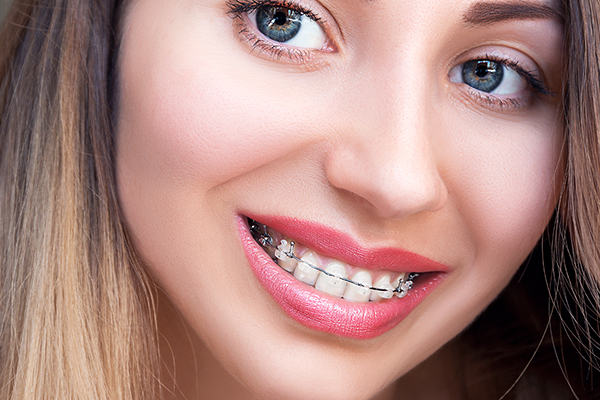
The term “invisible braces” is commonly used to refer to an orthodontic system that is less conspicuous than traditional braces. Invisible braces can correct numerous problems. These include crowded teeth and crooked or spaced teeth. They may also be ideal for a few teeth that are out of position. Read on to find out how you can straighten your teeth with invisible braces.
Types of invisible braces
There are multiple reasons an adult may have a bad bite or crooked teeth and opt to have orthodontic treatment. Sometimes, dental problems like underbites and overbites can be attributed to genetics. The front teeth can become misaligned due to prolonged habits during childhood, like sucking the thumb. It is also common and natural for teeth to shift position as people age and when gum problems develop. But there are different types of invisible braces that can help people straighten their teeth. Here are some of them.
Ceramic braces
Ceramic braces are similar to traditional ones when it comes to design. But the materials differ. Braces are often made of transparent ceramic rather than metal. These braces use tooth-colored or clear brackets instead of gray or metallic silver brackets.
The wires may also be transparent, which helps to make them less noticeable. Ceramic braces can move teeth in a relatively short amount of time compared to other options. The effectiveness of ceramic braces is often dependent on the dental issue that needs to be addressed. The braces are suitable for people without severe misalignments.
Clear aligners
Clear aligners are a popular option for adults who want straight teeth. They are custom-made transparent pieces of plastic that sit over the teeth. Aligners are usually more discreet than braces because there are no brackets or wires. With time, clear aligners gradually shift the teeth.
People are supposed to wear them for about 22 hours every day, or as prescribed by the dentist. Clear aligners are a simple, effective, and comfortable treatment option. It is very important for any person considering getting them to know that following instructions on how to wear and care for them is immensely important. This will increase the chances of a successful outcome.
Lingual braces
Lingual braces were developed due to the demand for discreet braces. These braces offer many of the advantages of traditional braces. Like traditional braces, the lingual braces use a bracket-and-wire system to straighten teeth and fix dental issues. But the difference is that lingual braces are placed on the back surface of the teeth as opposed to the front. This makes them virtually invisible. Lingual braces can benefit both young children and adults and can treat a myriad of alignment problems.
Traditional braces
These devices are for treating severe orthodontic problems. The dentist will attach metal brackets on the front surfaces of the affected teeth with a strong adhesive. A wire and elastics will force the teeth into their correct positions. These will fit people who are not suitable candidates for other treatments like clear aligners.
Traditional braces are durable. The metal brackets cannot chip off or break. This system can target complicated bite issues. The dentist can make each adjustment custom-fit with the patient’s preferred colored elastics. These brackets are not removable. The individual does not need to worry about misplacing the brackets at all.
Dental veneers
Veneers can give a patient the appearance of straightened teeth. The dentist will cement the porcelain shells on the surface of teeth to correct any dental imperfections. This treatment is quick, but it needs the patient’s dedication. Preparing the teeth is important. Shaving off a thin layer of the enamel will give room for the shells. It can also help the shells stick better to the teeth.
Some cases do not need enamel removal at all. Talking to the dentist will show if the patient is qualified for this treatment. Porcelain veneers are custom-fit and stain-resistant. The patient may need up to two dental visits to complete the treatment. Proper care and maintenance can make these restorations last for 10-15 years.
Visit your orthodontist today
Teeth-straightening options for adults include ceramic braces, clear aligners, and lingual braces. An orthodontist can help a patient to pick the right option. Some things that may be considered include the types of problems that need to be resolved and the patient’s personal preferences. If you are considering straightening your teeth, speak with your dentist. They can guide you on the steps to take to have a healthy and beautiful smile.
Are you considering getting invisible braces in the Long Beach area? Get more information at https://paramountdentalspecialty.com.
Check out what others are saying about our dental services on Yelp: Invisible Braces in Long Beach, CA.
Related Posts
Wondering how to practice good oral hygiene? Read on for some helpful tips from a family dentist. Good oral hygiene is a cornerstone of overall health and wellness. Regular visits to a family dentist for checkups, cleanings, and instruction in excellent oral hygiene are essential to maintaining healthy teeth and gums.The family dentist is the…
A family dentist is an excellent choice for the entire family. If you are a parent, you know that the health of you, your children, and your partner are a top priority. Often, many parents do not schedule their dental appointments because scheduling conflicts with their children’s. This problem goes away when you find your…
You should consider seeing a family dentist if you have children. This allows your entire household to get their dental needs met at the same time instead of driving all over town to drop each member of your family off at their dentist.A family dentist is a general dentist who spends most of their time…
Choosing a dental bridge can restore a complete smile and make everyday tasks feel easier again. Missing teeth change chewing, speech, and face shape, but a well-planned bridge brings balance back. With the right design and consistent home care, a dental bridge can look natural, feel comfortable, and support long-term oral health.A dental bridge fills…