Prosthodontics vs. Cosmetic Dentistry: Which One Do You Really Need?
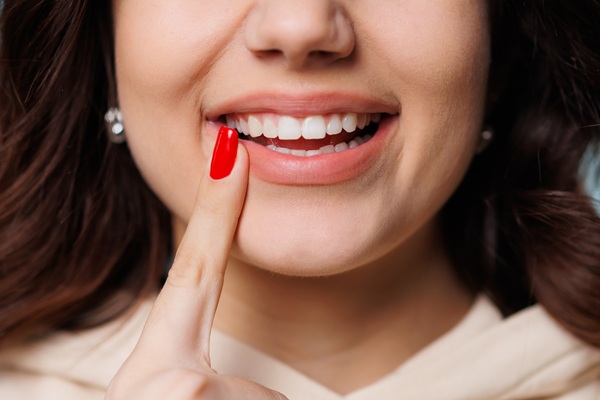
Cosmetic dentistry often comes up when a person wants to enhance their smile aesthetic. However, not every concern stays purely cosmetic. Some problems involve bite stability, missing teeth, worn enamel, or complex restorations that must function as well as they look. A general dentist can help determine whether a cosmetic-focused plan aligns with the goal or whether prosthodontic expertise supports a stronger long-term result. The right choice depends on function, complexity, and the health of the teeth and supporting structures.
Conditions cosmetic dentistry can address
Cosmetic dentistry works best when the foundation remains healthy, and the main goal is appearance. For example, staining, minor chips, uneven edges, and small gaps often respond well to whitening, bonding, or veneers. It can also improve mild shape issues with enamel recontouring or dental bonding that smooths the smile line. These treatments often move quickly because they rely on stable, healthy tooth structure.
A cosmetic dentistry plan also works well for patients who want a subtle refresh rather than a full reconstruction. Teeth that chew comfortably and align well usually need less invasive changes. When gums look healthy, and the bite closes evenly, the risk of breaking or wearing down cosmetic work drops.
What conditions prosthodontics handles best
Prosthodontics is most effective when the mouth needs complex reconstruction or when missing teeth affect the bite. Tooth loss changes chewing forces, shifts teeth, and stresses remaining enamel, requiring a functional plan. Prosthodontic care often involves crowns, bridges, dentures, implant restorations, or full-mouth rehabilitation to restore stability. These cases demand careful planning because every restoration must fit the bite and support long-term comfort.
Prosthodontic cases often involve multiple moving parts. Advanced wear from grinding, collapsed bite height, broken restorations, or even a history of failed dental work can require a more engineered approach. A prosthodontic plan also helps when the jaw joints feel strained because the bite no longer evenly distributes forces. Cosmetic dentistry still matters in these cases, but function drives the plan first.
The biggest deciding factor: Function vs. appearance
Appearance matters, but function determines whether results last. If chewing hurts, teeth fracture repeatedly, or restorations loosen, the problem usually involves forces and structure rather than color or shape. A dentist can evaluate bite patterns, wear facets, gum support, and how teeth contact during chewing. That evaluation helps determine whether Cosmetic dentistry alone will hold up or whether prosthodontics needs to lead.
A few signs often point toward a prosthodontic-focused plan. Missing teeth, significant enamel wear, multiple large fillings, and cracks increase the chance that cosmetic-only solutions fail early. Gum disease and bone loss also affect restoration choices, especially when implants enter the discussion. When the foundation looks unstable, rebuilding function protects the overall aesthetic.
Common scenarios and the best starting point
Some concerns fit neatly into one category, while others sit in the middle. Whitening and bonding usually fall firmly under cosmetic dentistry, especially when teeth remain strong and aligned. A single crown on a heavily damaged tooth often falls within general dentistry, though complex crown planning may involve prosthodontic input. Multiple crowns, bite changes, or full-arch solutions often push the case toward prosthodontics.
Many people require both types of dentistry. For example, veneers may improve appearance, but they also need a stable bite to avoid chipping. Implants, on the other hand, restore missing teeth, but patients often want a natural, symmetrical look, which brings cosmetic planning into the same conversation. The best care often comes from matching the complexity of the case to the right level of restoration planning.
Helpful questions to bring to an evaluation include:
- Does the bite show wear, shifting, or imbalance that could shorten the lifespan of cosmetic work?
- What restoration type offers the best strength for chewing forces in this case?
- How will gum health and bone support affect long-term results?
Cosmetic dentistry works best when teeth remain healthy, forces remain balanced, and restorations remain conservative. Prosthodontics becomes the better fit when tooth loss, advanced wear, or complex rebuilding demands detailed bite planning and durable materials. A general dentist can guide the decision and coordinate referrals when a case needs a prosthodontist's specialized focus.
Schedule an evaluation
No one benefits from guesswork or from choosing a treatment category based solely on a label. Plans should meet the goal, protect oral health, and match the complexity of the condition. Cosmetic dentistry and prosthodontics both play valuable roles, and the best outcomes come from selecting the right procedure for the right problem. For more information or to schedule an evaluation, call our office.
To schedule a consultation, request an appointment on our website at https://paramountdentalspecialty.com or call Paramount Dental Care & Specialty at (562) 450-1261 for an appointment in our Long Beach office.
Check out what others are saying about our dental services on Yelp: Cosmetic Dentist in Long Beach, CA.
Related Posts
A visit to a cosmetic dentist is the first step in improving your smile. These dental professionals offer a range of services designed to enhance the appearance of teeth, gums, and bite alignment. Whether you want to remove stains, reshape teeth, or create a more symmetrical smile, the process starts with a thorough consultation and…
A cosmetic dentist can give you a bright, healthy smile. This provider can perform procedures that improve the appearance of your teeth and gums. Knowing the cosmetic dental treatments can help you make informed decisions about your next appointment. Here are the details about the common procedures your cosmetic dentist can provide.People with chipped or…
A cosmetic dentist can bring back your radiant smile even after years of damage or decay. Different procedures can make this possible. Understanding which one will fit your dental needs can help you make informed decisions. Here are the different ways your cosmetic dentist can improve your smile.A person’s daily diet and lifestyle choices can…
Wondering what a cosmetic dentist can do for your smile? Read on to learn more. A great smile can be a big self-esteem booster and a way to leave good first impressions. However, not all people have an aesthetically pleasing smile. Fortunately, a cosmetic dentist can help you improve the appearance of your teeth, gums,…