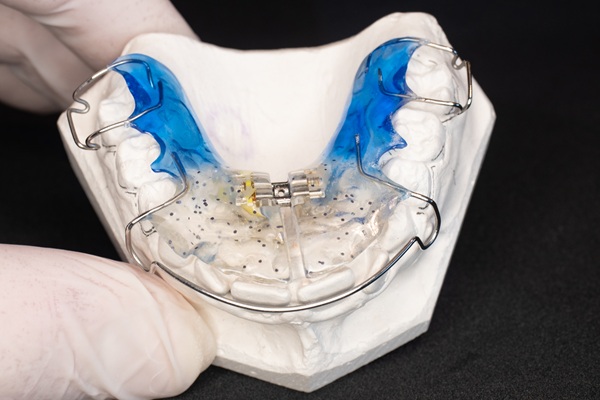
Achieving a straight smile requires a lot of time and effort. However, without the consistent use of retainers after orthodontic treatment, teeth may gradually shift back to their original positions. Retainers are essential for preserving the results of the patient's orthodontic treatment. It ensures long-term teeth alignment and improves overall oral health.
Retainers after orthodontic treatment
Retainers are oral appliances that help maintain the position of teeth after completing orthodontic treatment. Once braces or aligners have shifted teeth into their desired alignment, the bone and surrounding tissues need time to stabilize. Retainers hold teeth in place while this process occurs. Without them, teeth may revert to their pre-treatment state, undoing months or years of orthodontic treatment.
A general dentist or orthodontist provides patients with retainers based on their unique needs. The duration for which retainers must be worn varies. However, many individuals require lifelong nighttime use to prevent unwanted movement after the initial period of wearing them.
Types of retainers
There are two primary types of retainers: removable and fixed. Each has distinct advantages and is selected based on the patient's orthodontic needs.
Removable retainers
Removable retainers are custom-made devices the patient can remove when eating or cleaning. The most common types include Hawley and clear plastic retainers. Hawley retainers contain acrylic and metal wire, making them durable and adjustable. It is possible to make minor adjustments to this type of retainer if the patient's teeth begin to shift slightly. Clear plastic retainers resemble clear aligners and are nearly invisible, fitting snugly over the patient's teeth. They offer cosmetic benefits but may require more frequent replacement due to wear and tear.
Fixed retainers
Fixed retainers, also known as bonded or permanent retainers, consist of a thin wire attached to the back of the teeth. They are ideal for individuals at high risk of their teeth shifting after finishing orthodontic treatment, particularly their lower front teeth. Compliance is not an issue since they remain in place at all times. However, patients must practice proper oral hygiene to prevent plaque buildup around the wire. They will likely need to visit their dental provider more often for professional cleanings to avoid oral health issues like decay and gum disease.
How to care for retainers
Maintaining retainers is essential for ensuring they remain effective and last as long as possible. Proper care will prevent damage and promote ongoing oral health, whether the patient's retainer is fixed or removable. For those with clear removable retainers, cleaning them daily using mild soap or a specialized retainer cleaner is essential. Avoid using toothpaste, as it can scratch the plastic coating. Additionally, when the patient is not using their removable retainer, they should always store it in a protective case to prevent loss or damage.
Meanwhile, those with a fixed retainer must regularly brush and floss around the wire. These habits are essential to prevent plaque buildup. Utilizing specialized floss threaders or interdental brushes can help patients effectively reach and clean those less accessible areas. Additionally, regular visits with a dental professional can help ensure that retainers remain in good condition. If the patient damages their retainer or it no longer fits, they will need to schedule an evaluation for possible replacement or repairs.
Committing to long-term retainer use
For many individuals, wearing retainers is a lifelong commitment. While the initial phase of wearing them full-time may last several months, most patients will indefinitely transition to wearing them at night. Consistent retainer use helps patients maintain their orthodontic treatment results. Even minor lapses in retainer use can lead to noticeable changes in dental alignment. This is known as "retainer relapse," and it can occur months or even years after finishing orthodontic treatment. Retainer relapse may also occur due to:
- Aging
- Genetics
- Poor oral hygiene habits
- Untreated oral health issues (e.g., gum disease and TMJ)
- Jaw clenching or grinding (bruxism)
While some types of retainer relapse cannot be prevented, wearing the retainer as directed and attending regular dental appointments for checkups and cleanings can help patients avoid the issue.
Maintain your orthodontic treatment results with retainers
Retainers are an essential part of orthodontic treatment, preserving the hard-earned results of braces or aligners. Without this oral appliance, the teeth may shift, leading to misalignment and potential oral health issues. Do you have questions about wearing or caring for your retainer? Call our Long Beach office to learn more or schedule your next checkup.
Request an appointment here: https://paramountdentalspecialty.com or call Paramount Dental Care & Specialty at (562) 450-1261 for an appointment in our Long Beach office.
Check out what others are saying about our services on Yelp: Read our Yelp reviews.
Related Posts
Family dentists are uniquely qualified to offer various dental services to patients of all ages. Children, teens, and adults can visit the dentist for teeth cleanings, checkups, cavity fillings, and other restorative dental procedures. This article will examine the qualifications of family dentists to help you find the right one for your family’s oral health.Becoming…
Tooth loss can affect how you eat and speak, as well as how your smile looks. Restorative solutions, like implant crowns, are important for maintaining your dental and overall health. Implant crowns are strong and resemble natural teeth, blending well with surrounding teeth. They imitate the structure of real teeth, providing long-term benefits for those…
Unlike other body organs, your teeth cannot regenerate when damaged. Therefore, you will need to repair the teeth with synthetic materials to have a full-functioning smile. Here are some tips from a family dentist to help maintain proper oral care to preserve the only set of natural teeth you will ever have.Brushing removes plaque, a…
A family dentist is a type of dental practitioner who provides numerous services to patients of all ages. This type of dentist is specially trained to treat children, adults, and seniors and can help with various dental issues, from routine cleanings to complex restorative procedures. This blog post will discuss the types of services offered…