Tips to Help Prevent Dental Cavities
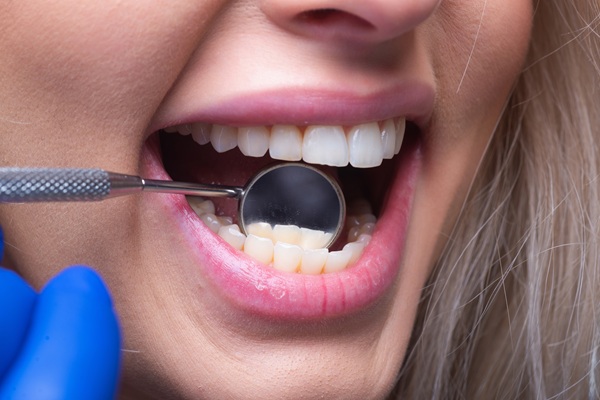
Dental cavities occur when plaque and bacteria in the mouth remain on the teeth, producing acids and weakening the enamel. Over time, this leads to small holes in the teeth that can grow larger if left untreated. While cavities are a common dental issue, they are also preventable with proper care. By following a few simple habits and staying consistent with oral hygiene, anyone can lower the risk of developing dental cavities and keep their teeth strong and healthy.
Choose appropriate oral hygiene tools
The right oral hygiene products are essential for maintaining healthy teeth and gums. Soft-bristled toothbrushes are gentle yet effective for sensitive teeth or gums, while medium-bristled toothbrushes are ideal for otherwise healthy gums and teeth. Waxed floss and water flossers may be ideal for sensitive gums or those with dental appliances.
Tongue scrapers or brushes with tongue cleaners help reduce bacteria and improve breath. Specialized tools are also available for dental restorations or braces. For personalized advice, patients should consult the dentist, who can recommend products specific to their needs.
Brush and floss daily
Brushing and flossing are two of the most important steps to prevent dental cavities. Brushing at least twice a day removes food particles, plaque, and bacteria from the surface of the teeth. Using fluoride toothpaste helps protect and strengthen enamel, making it more resistant to acid attacks.
Flossing is just as important because it cleans the teeth, which a toothbrush cannot reach. Plaque often builds up in these tight spaces, leading to dental cavities if not removed. Keeping up with regular brushing and flossing helps keep the teeth clean and gums healthy.
Use mouthwash for extra protection
Using mouthwash can give teeth an extra layer of defense against cavities. Antibacterial mouthwashes help reduce the number of bacteria in the mouth, lowering the risk of plaque buildup. Fluoride mouthwashes are another great option because they help strengthen enamel and protect against decay.
Make smart food choices
Many believe that if they maintain oral hygiene, it does not matter what they eat. However, the diet has a big impact on oral health. Sugary snacks and drinks, like candy, cookies, and soda, can feed harmful bacteria in the mouth. Further, they create an imbalance in the oral microbiome. According to a 2019 article published by the Journal of Oral and Maxillofacial Pathology in the National Library of Medicine, an oral microbiome describes the ecological community of symbiotic, commensal, and pathogenic microorganisms in the mouth.
This microbiome is a determining factor in the teeth' strength and the oral cavity's overall health.
Choosing healthier options can make a difference. Dairy products, like milk and cheese, are rich in calcium, which helps strengthen teeth. Crunchy fruits and vegetables, such as apples and carrots, also help clean the teeth by increasing saliva flow. Saliva is important because it washes away food particles and helps neutralize harmful acids.
Limit snacking
Along with one's food choices, frequent snacking throughout the day can increase the risk of dental cavities. Every time one eats, the time the teeth have to recover from acidic attacks is reduced. If one needs to snack throughout the day, choose something healthy like nuts, cheese, or crunchy vegetables. Decrease acidic foods, especially fruits like lemons and pineapples. Further, completing proper oral hygiene techniques within an hour after consuming one's snack can help prevent dental cavities.
Drink plenty of water
Water is good not only for the body but also for the oral cavity. The mouth comprises various tissues—hard and soft. Therefore, they require water to maintain their internal and external health. It also helps rinse away food particles and bacteria while encouraging saliva production. Saliva is the mouth's natural defense against cavities because it reduces acid levels and protects enamel.
Maintain regular dental appointments.
Seeing the dentist for regular checkups is one of the best ways to prevent dental cavities. During these visits, they will clean patients' teeth, removing any tartar that has built up. Tartar is hardened plaque that patients cannot remove with regular brushing and flossing.
The dentist can also catch small cavities or other problems early before they turn into bigger issues. They may recommend fluoride treatments or dental sealants, which are thin protective coatings applied to the back teeth to help prevent cavities. Staying consistent with dental appointments helps keep smiles healthy and strong.
Call us for more information
Dental cavities can be prevented with the right habits and care. Taking these steps not only protects your smile but also helps avoid complications that come with untreated cavities. If you have questions about preventing cavities or need to schedule a checkup, contact Paramount Dental Care & Specialty today.
Request an appointment here: https://paramountdentalspecialty.com or call Paramount Dental Care & Specialty at (562) 450-1261 for an appointment in our Long Beach office.
Check out what others are saying about our services on Yelp: Read our Yelp reviews.
Related Posts
Clear braces have become a popular choice for individuals seeking to straighten their teeth while maintaining a discreet appearance. Both adults and teens now have access to innovative orthodontic treatments that focus on comfort, aesthetics, and effectiveness. If you are considering clear braces for yourself or your child, it is essential to understand how these…
A dental crown is a versatile restoration that can be used to address a wide range of dental issues like a cracked, chipped, decayed, deformed, or broken tooth. The crown covers up the part of the tooth that is visible above the gums, protecting it from further damage and acids made by oral bacteria.The severity…
Dental crowns protect teeth, and patients should not experience any complications such as increased teeth sensitivity or gum pain while wearing them. If dental crown issues develop, then patients are encouraged to contact the dentist as soon as possible to schedule a visit and have the issue properly examined and treated.Although dental crown issues are…
Dental crowns, also known as dental caps, are options that restore the strength, form, and size of teeth by covering them. Crowns can be placed the same day, or the dentist can complete the procedure over multiple appointments. If your dentist has suggested that you should get a dental crown, here are few helpful hints…