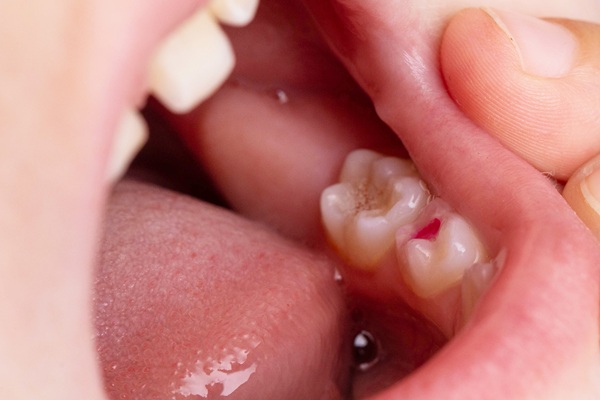
Composite fillings are among the most commonly used materials for restoring teeth affected by cavities or minor damage. These dental fillings repair damaged teeth and restore their function and appearance. While there are several types of fillings besides composite ones, patients may be unsure which one is right for them. Fortunately, a dentist can help.
Types of dental fillings
Composite fillings
Composite fillings consist of tooth-colored resin that blends seamlessly with natural teeth. Due to their aesthetic appeal, they are particularly popular for visible areas of the mouth, such as the front teeth. Composite fillings are applied in layers and hardened using a special light. This technique allows the dentist to shape and polish the material to achieve a natural appearance. One of the primary advantages of composite fillings is their ability to bond directly to the tooth structure. This strengthens the tooth and provides excellent durability for small—to medium-sized restorations.
Although composite fillings are not as long-lasting as other materials, technological advancements have extended their lifespan. With proper care, they can last up to 10 years, making them a reliable option for many patients.
Porcelain fillings
Porcelain fillings, often called inlays or onlays, are custom-made restorations fabricated in a dental laboratory. Like composite fillings, they are tooth-colored and provide a natural appearance. Porcelain fillings are highly resistant to staining, making them an excellent choice for patients seeking durability and aesthetics.
These fillings are common for larger cavities or areas of the tooth that experience significant chewing force. Porcelain’s strength and resilience make it an ideal option for back teeth where durability is essential. While porcelain fillings are more expensive than composite fillings, their longevity and lifelike appearance often justify the investment.
Gold fillings
Gold fillings, also known as gold inlays or onlays, have been used in dentistry for decades. They are made from a combination of gold and other metals, providing exceptional strength and durability. Gold fillings are corrosion-resistant and, with proper care, can last 20 years or longer.
Although gold fillings are highly durable, their metallic appearance makes them less popular for visible teeth. They are often chosen for molars or other areas where aesthetics are less of a concern. Gold fillings require multiple visits to complete, as they are custom-made in a dental lab.
Patients who prioritize long-lasting restorations and are not concerned about the cost or appearance of gold may find this material an excellent choice.
Amalgam fillings
Amalgam fillings, commonly referred to as silver fillings, are made from a combination of metals, including mercury, silver, tin, and copper. They have been used for over a century due to their affordability, strength, and ability to withstand chewing forces.
Amalgam fillings are often chosen for back teeth where visibility is less of a concern. While they are highly durable, typically lasting 10 to 15 years or more, their metallic color and mercury content have led some patients to opt for alternative materials.
Despite concerns about mercury, the American Dental Association (ADA) confirms that amalgam fillings are safe and effective for dental restorations. However, patients with aesthetic concerns or sensitivities may prefer tooth-colored options like composite or porcelain fillings.
Choosing the right filling material
Selecting the appropriate filling material depends on several factors, including the location of the cavity, the extent of damage, budget, and personal preferences. Composite fillings are an excellent choice for patients who value aesthetics, while porcelain offers durability and a natural appearance for larger restorations. Gold and amalgam fillings provide exceptional strength and longevity, making them ideal for back teeth.
Caring for dental fillings
Proper care is essential to maintain the integrity of dental fillings, regardless of the material used. Patients should practice good oral hygiene by brushing twice daily with fluoride toothpaste, flossing daily, and attending regular dental checkups. Avoiding hard or sticky foods helps prevent damage to the fillings, particularly for composite or porcelain restorations.
Regular dental visits allow the dentist to monitor the condition of the fillings and address any issues promptly. Early detection of wear, cracks, or gaps ensures that the fillings continue to protect the teeth effectively.
Consult a dentist about dental fillings
Understanding the differences between composite fillings, porcelain, gold, and amalgam helps patients make informed decisions about their dental care. Each material offers unique advantages, ranging from aesthetic appeal to exceptional durability. By working closely with a trusted dentist, patients can select the filling that best suits their needs and ensures long-lasting oral health. Investing in the right filling material and maintaining proper care promotes a healthy, confident smile for years to come. For more information, schedule a consultation visit today at Paramount Dental Care & Specialty.
To schedule a consultation, request an appointment on our website at https://paramountdentalspecialty.com or call Paramount Dental Care & Specialty at (562) 450-1261 for an appointment in our Long Beach office.
Check out what others are saying about our dental services on Yelp: Composite Fillings in Long Beach, CA.
Related Posts
Dental cavities occur when plaque and bacteria in the mouth remain on the teeth, producing acids and weakening the enamel. Over time, this leads to small holes in the teeth that can grow larger if left untreated. While cavities are a common dental issue, they are also preventable with proper care. By following a few…
Composite fillings are resin materials made with a plastic and glass mixture. Dentists began to use tooth-colored fillings in the 1960s, but they were too weak for the back teeth. Nowadays, the composite resin is strong enough for all teeth. Dentists may use the fillings to restore a decayed tooth or reshape a disfigured, cracked,…
Dental patients with chipped or broken teeth have more options for tooth repair than in the past, such as the use of composite fillings. These fillings can not only restore a tooth but also prevent the need for extraction, which can leave gaps in the smile and cause the remaining teeth to shift. They can…
Created with quartz or glass and using a resin medium, composite fillings are quickly becoming the go-to for many dental patients. The fillings restore functionality to broken teeth by allowing the patient to bite or chew without pain. In addition, because the fillings look like natural teeth, they may help with self-esteem in relation to…