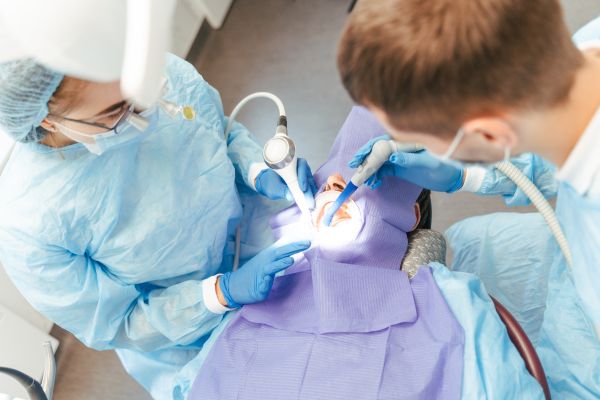
Oral surgery consultations help patients understand their diagnosis, treatment options, and next steps before a surgical procedure begins. This first appointment gives the dental team time to review the patient’s needs, answer questions, and create a plan that supports comfort, safety, and long-term oral health. Many patients feel nervous before this visit, especially if they need wisdom tooth removal, dental implant placement, tooth extraction, bone grafting, or another surgical treatment. Knowing what happens during the consultation can make the process feel more manageable from the start.
Reviewing medical and dental history
The first part of an oral surgery consultation usually includes a detailed review of medical and dental history. The dental team may ask about current health conditions, allergies, past surgeries, medications, and previous dental treatments. This information helps to highlight specific factors that may affect treatment planning, healing, or anesthesia options.
Patients should bring a list of current medications, including prescriptions, over-the-counter products, and supplements. Certain medications can affect bleeding, healing, or sedation safety, so accurate information is important. The team may also ask about heart conditions, diabetes, sleep apnea, immune system concerns, or previous reactions to anesthesia.
Completing an oral examination
After reviewing health history, a dental professional will typically complete an examination of the mouth, teeth, gums, jaw, and surrounding structures. This exam helps identify the condition being treated and whether nearby teeth, nerves, bone, or soft tissues may affect the procedure. They may also check the bite, jaw movement, swelling, tenderness, or signs of infection.
For wisdom teeth, the exam may focus on tooth position, crowding, gum inflammation, and the amount of space in the jaw. For dental implants, the dental professional may evaluate bone volume, gum tissue, and the location of missing teeth. For extractions, the exam may help determine whether the tooth can be removed or a more involved surgical approach is needed.
Taking or reviewing diagnostic images
X-rays or 3D scans may be part of the first oral surgery consultation. These images help the dental professional see details that are not visible during a standard exam, such as tooth roots, jawbone structure, impacted teeth, infections, cysts, sinus position, or nerve location. In many cases, imaging helps determine the complexity of the procedure.
Patients who have had recent dental X-rays may have them sent by a general dentist before the appointment. However, the oral surgery office may still need updated or more detailed images. A panoramic X-ray can show the full mouth and jaw, while 3D cone beam imaging can provide a more detailed view for procedures such as dental implants or impacted wisdom teeth.
Discussing treatment options and anesthesia
Once the examination and imaging are complete, the dental team explains the recommended treatment options. This discussion may include why surgery is needed, what the procedure involves, how long it may take, and what results the patient can reasonably expect. They may also explain whether treatment should happen soon or whether monitoring is appropriate.
Anesthesia is another important part of the consultation. Depending on the procedure and the patient’s needs, options may include local anesthesia, nitrous oxide, IV sedation, or general anesthesia. The dentist will also make recommendations based on the patient’s health history, anxiety level, type of procedure, and overall safety before recommending an option.
Understanding recovery and aftercare
A first oral surgery consultation also includes information about recovery and aftercare. The dental team may explain how to prepare for surgery, what to eat afterward, how to manage swelling, and when to call the office with concerns. Patients may also receive instructions about fasting before sedation, arranging a ride home, or adjusting medications with approval from a physician.
Recovery details depend on the procedure. A simple extraction may involve a shorter healing period, while wisdom tooth removal, implant placement, or bone grafting may require more detailed instructions. The consultation helps patients understand what daily activities may need to change during the first few days after treatment.
Preparing for the next step
The first oral surgery consultation helps patients move from uncertainty to a clear treatment plan. This is possible by reviewing the medical history, examining the mouth, reviewing diagnostic images, explaining anesthesia options, and discussing recovery expectations. With the right information, patients can feel more confident about scheduling treatment and preparing for a successful experience. For more information or to schedule an appointment, call our office.
To schedule a consultation, please request an appointment on our website at https://paramountdentalspecialty.com or call Paramount Dental Care & Specialty at (562) 450-1261 to arrange an appointment at our Long Beach office.
Check out what others are saying about our dental services on Yelp: Oral Surgery in Long Beach, CA.
Related Posts
Oral surgery is sometimes necessary to correct issues that are beyond treatment from basic restorative or preventive care. A general dentist trained in oral surgery can often provide a variety of in-office procedures, offering both convenience and continuity of care. These treatments are performed in a comfortable setting, and they support long-term oral health, improve…
Oral surgery is a branch of dental care that offers a wide range of procedures designed to address conditions and issues affecting the mouth, teeth, and jaw. These procedures can help maintain oral health and address complex dental problems. Understanding the different approaches to oral surgery can help patients make informed decisions about their treatment…
Oral surgery is an invasive procedure. A dentist will recommend this procedure if the damage is severe and correction must happen right away. This surgery may be an aggressive solution to a dental issue, but your dentist will not suggest it unless your comfort or health relies on it. If you want to know why…
Dental implants are often used to replace individual teeth but can also offer multiple teeth replacement options. Such options include cantilever bridges, implant-supported bridges and implant-supported partials.Depending upon the condition of the person's gums and jawbone, a single implant can sometimes be placed to support two adjacent teeth. More commonly, multiple implants are used to…